Retro Dream: A Vintage Font for Modern Design
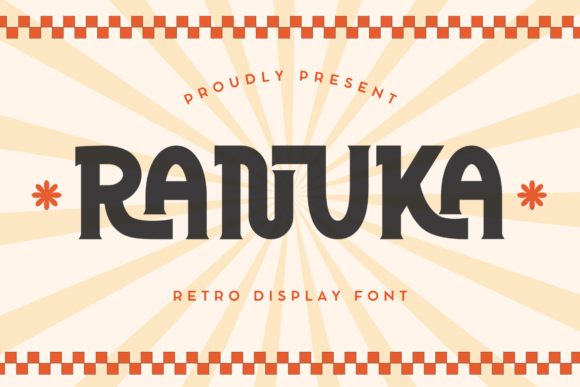
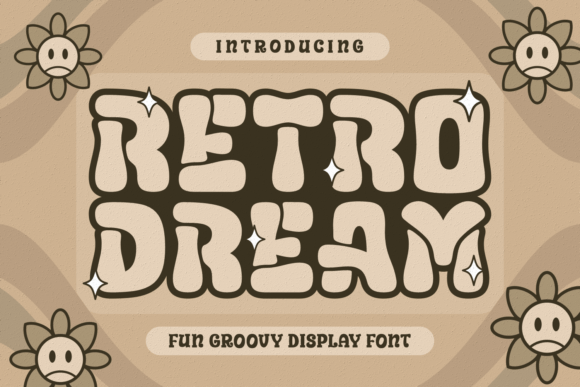
In a digital landscape often dominated by sterile minimalism, there is a growing hunger for visual warmth and character that only true vintage aesthetics can provide. Retro Dream answers this call as an eye-catching display font that embodies the spirit of nostalgia, offering designers a powerful tool to bridge the gap between classic elegance and modern communication. Its bold and unique letterforms exude a timeless appeal, making it ideal for adding a touch of retro flair to any design project while evoking fond memories and establishing an immediate emotional connection with the audience.
For professional graphic designers and brand strategists, typography is never just about readability; it is about personality. When selecting a typeface for brand identity, the goal is to find a voice that resonates with the target demographic. Retro Dream excels in this area by bringing a distinct, curated feel to logo design and headline work. Unlike generic sans-serifs that blend into the background, this font commands attention without sacrificing sophistication. It allows brands to tell a story of heritage, craftsmanship, or playful nostalgia before the viewer even reads the first word.
Strategic Applications in Visual Communication
The versatility of Retro Dream extends far beyond simple headlines. In the realm of digital marketing and social media graphics, standing out in a crowded feed is essential. Using a font with strong character can significantly increase engagement rates on platforms like Instagram or Pinterest, where visual impact drives user behavior. Whether used for a limited-time sale announcement or a lifestyle brand post, the font's unique structure creates a natural focal point within the composition.
Beyond social media, this typeface shines in packaging design and print design. Consider a craft coffee label, a boutique cosmetics box, or a vinyl record sleeve; these products benefit immensely from the tactile feel that vintage-inspired typography suggests. When paired with the right color palette—perhaps muted earth tones or vibrant neon accents against cream backgrounds—Retro Dream transforms a standard package into a collectible piece of art. This approach elevates the perceived value of the product, encouraging consumers to view it as premium rather than commoditized.
Enhancing User Experience and Editorial Layouts
While primarily a display font, Retro Dream can also play a crucial role in editorial design and web design when used strategically. In magazine layouts or blog headers, it establishes a clear visual hierarchy, guiding the reader's eye through the content. For UI design and UX design, it serves best in hero sections or call-to-action buttons where a burst of personality is needed to break the monotony of standard interface elements. However, designers must exercise restraint; pairing such a distinctive font with a clean, legible body typeface ensures that the overall professional presentation remains accessible and easy to navigate.
To maximize the effectiveness of Retro Dream in your creative projects, consider the following best practices for integration:
- Maintain Consistency: Ensure the font aligns with your existing brand system. If your brand is ultra-modern and tech-focused, a heavy retro font might create cognitive dissonance unless used ironically or for a specific campaign.
- Focus on Scalability: Test the letterforms at various sizes. While excellent for large formats, ensure the unique details do not get lost when scaled down for mobile screens or small print items.
- Balance Composition: Use ample white space around the text. Bold, unique letterforms need room to breathe to maintain their impact and avoid looking cluttered.
- Pair Wisely: Combine Retro Dream with neutral, geometric sans-serifs or classic serifs to create a balanced contrast that enhances readability.
Ultimately, the success of any design workflow relies on choosing assets that serve both aesthetic and functional goals. Retro Dream offers more than just a stylistic choice; it provides a narrative device that can strengthen branding efforts and improve user engagement. By thoughtfully incorporating this typeface into advertising campaigns, merchandise, or digital products, creators can produce work that feels both fresh and familiar. In an era where authenticity is currency, leveraging high-quality creative assets like Retro Dream ensures that your visual communication not only captures attention but also leaves a lasting impression of quality and style.